
Following up on my review of the stand alone feature length experiment that is Bandersnatch, I was inspired to go back through the back catalogue of Charlie Brooker’s Black Mirror, which now consists of 5 uneven series, since December 2011. Seasons 1 & 5 only have three episodes, season 2 has four and seasons 3 & 4 have six each. Making a total of 22 twisted stories of tech and its consequences in a possible future, to date. Having caught up on season five, I have now seen all of them at least once. Here I will go through each episode chronologically, with a score and comments – the length of which is determined by the impact it had on me, for better or worse.
As a preamble to that, just a quick word on it as a concept, now it exists as a lengthy anthology and not just a handful of episodes that seemed to stand alone back in the day. When I was a kid there was a show called Tales of the Unexpected, which one Roald Dahl introduced and often wrote himself. There were 112 half hour episodes over 9 series between 1979 and 1988. The remit was simple: tell any story, but it must have a twist you didn’t see coming. There was a lot of dross, of course, and half the time you did see it coming a mile off! But, the very best ones stuck with you forever! For me The Landlady and Flypaper still give me nightmares over 35 years later!
We love to be creeped out when being told a story. Being afraid or disgusted in the safe space of our own homes, is thought provoking and satisfying in many ways. Thank God it isn’t us, we say! Can you imagine if that was real, we say! And the more feasible the story is… the creepier it is. With Black Mirror then, the genius is not to make it about any old twist, but to link every tale to technology, its uses, applications and possibilities. For me, the most successful ones are when the leap of faith of this tech being real at some point in the future seems tangible. The moral dilemma of saying, we can make this real, but what if we do!?
Importantly, as the show has played around with tone and style, ranging from stark black and white distopia, to cartoonish, tongue in cheek humour, it isn’t always about a tech idea being intrinsically “evil” or “dark” but about the ambiguity of it in the context of how individuals interpret and use it. “Happy” endings are not taboo in Black Mirror; in fact sometimes they are more effective. The point is to reflect on our behaviours as a species, and wonder about cruelty and justice and the state of society in imaginative ways. And then, crucially, to talk about it! The obligatory conversations and arguments around some episodes rage on years later. Which is fascinating of itself. Here then is a rundown of all 22 instalments from 2011 to 2019.
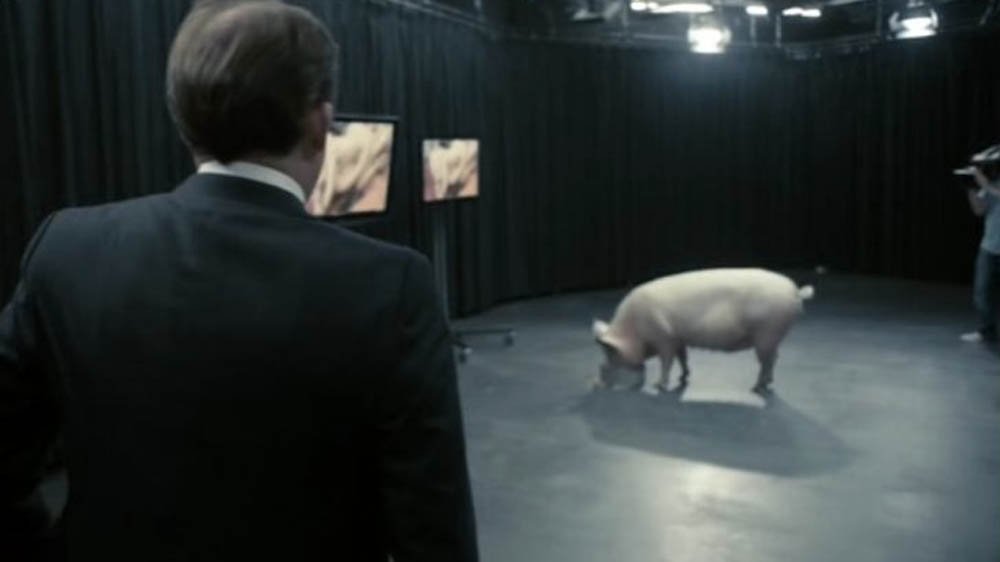
Yes, it’s the one that got it all started; the one with the Prime Minister and the pig. A very clever, if repulsive, episode that explores the power of media and the notion that men in power will do anything to protect their image. As the maiden voyage of Black Mirror, we find that the writing, acting and production values are very strong. There is also a nice multi-layering on display that allows you to debate what this morality tale is actually all about.
Rating: 7.5
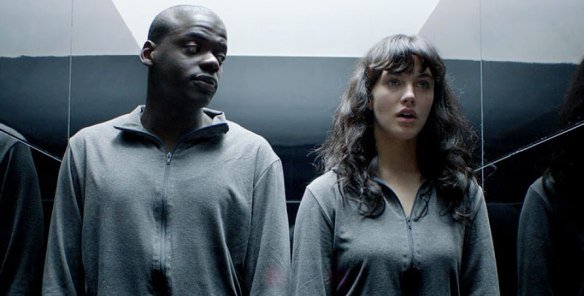
Before Get Out made him a star, Daniel Kaluuya shows a lot of promise in this pure satire on riding the gravy train and the fast fix provided by reality shows and the dangling carrot of fame and fortune. The rich have their penthouses while the rest of us exist in a hamster wheel of repetition and unattainable dreams. Even the seed of anger and rebellion becomes the focus of “entertainment” in an amusing, but slightly weaker ending than most.
Rating: 7.0
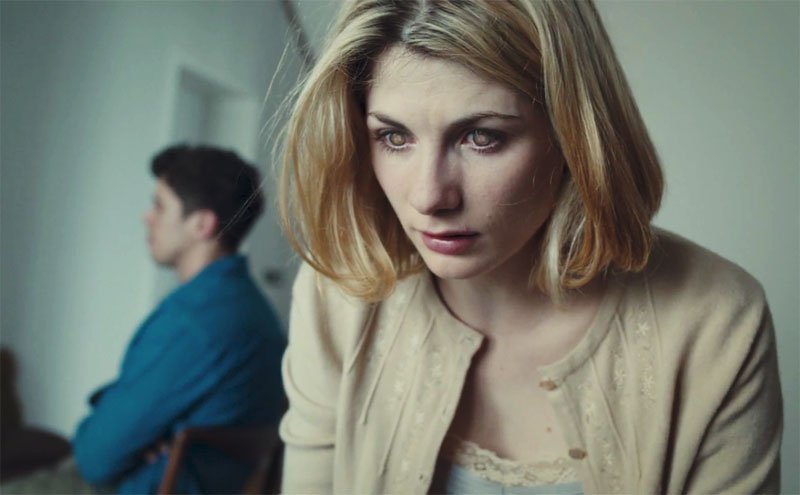
A very strong idea, beautifully / horrifically realised, in one of my personal favourites to date. Implant technology allows us to record every moment of our waking lives and replay them through our own eyes or on a screen. The benefits of security, lost keys and legal issues are explored, before the episode descends into a personal nightmare as a brilliant Toby Kebbell begins to suspect his wife, future Dr. Who Jodie Whittaker, of having an affair; proceding then to be obsessed by the minute details of both their recorded “memories”. An exploration of paranoia and close relationships, whilst questioning the morality of privacy, and the role being able to lie to a loved one might have as a positive, not a negative. The genius of it is watching Kebbell lose his mind completely whilst never knowing until the end if his doubts have any validity at all. A technology it is terrifyingly possible to imagine as a reality – and a solution that exists with mobile phones and social media already: you can always opt out, even if that is painful.
Rating: 9.0
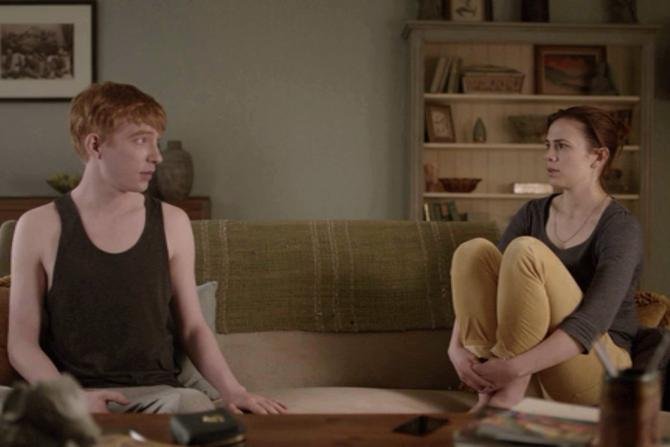
Hayley Atwell, best known as Captain America’s squeeze in the MCU, Carries the emotional weight of this episode in beguiling style. Not for the last time Black Mirror enters the territory of death, grief, loneliness and questions of a tech-aided afterlife. If it were possible to bring a loved one back in physical form, even though we knew it wasn’t really them, would we be tempted to do it? Entirely believable as a concept, considering the amount of data we are storing about ourselves on social media and in other digital ways. Although any kind of clone as good as Domhnall Gleason is a bit far fetched for now. What works here is realising that no matter how good a facsimile is, it is the myriad of tiny details that make a person that we miss the most, even the imperfections. Genuinely moving in its best moments, and a strong start to season 2 in 2013.
Rating: 8.0
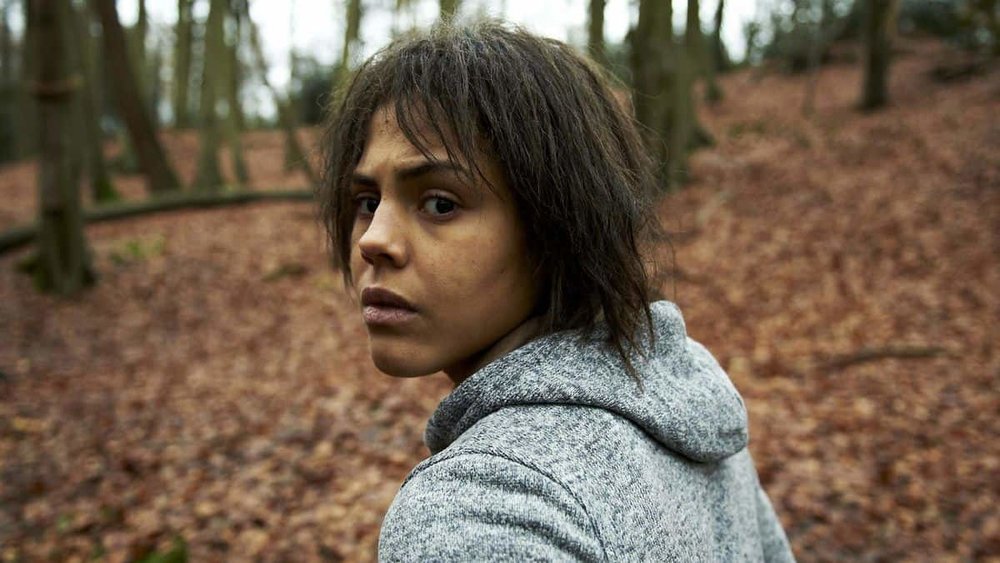
White Bear, the first of the “blind” episodes, where we as viewer are thrown into a situation with no explanation or context, was the first Black Mirror episode I ever watched. I remember being blown away by the dark concept, compelling nature of the minimal narrative, the cunning twist, and the boldness of the statement seemingly being made. So many themes are going on at the same time here: true crime as voyeuristic entertainment; the moral idea of an eye for an eye, brainwashing, and whether torture under any circumstance can be justified, for starters. Looking back, it isn’t the most rounded tale in the canon, or the best acted, but it is certainly very memorable. It also saw the birth of the White Bear symbol, which pops up in other episodes regularly, if paying attention. What is its meaning? The jury is still out!
Rating: 7.5

The political apathy of a nation, and hatred of the personality flaws of our politicians could lead to a figurehead without real policies being elected and revered – it isn’t a very strange idea in 2020 at all. Many younger voters have been incited to demand change, without any idea of what that change should entail. So, in concept, this episode is right on the money. Trouble is it isn’t well written enough to sustain the drama or intrigue in the way the best of the canon do. The shock value is low, and therefore the reaction is “meh, fair enough”. For me, the first real blip in quality control for the series.
Rating: 6.0
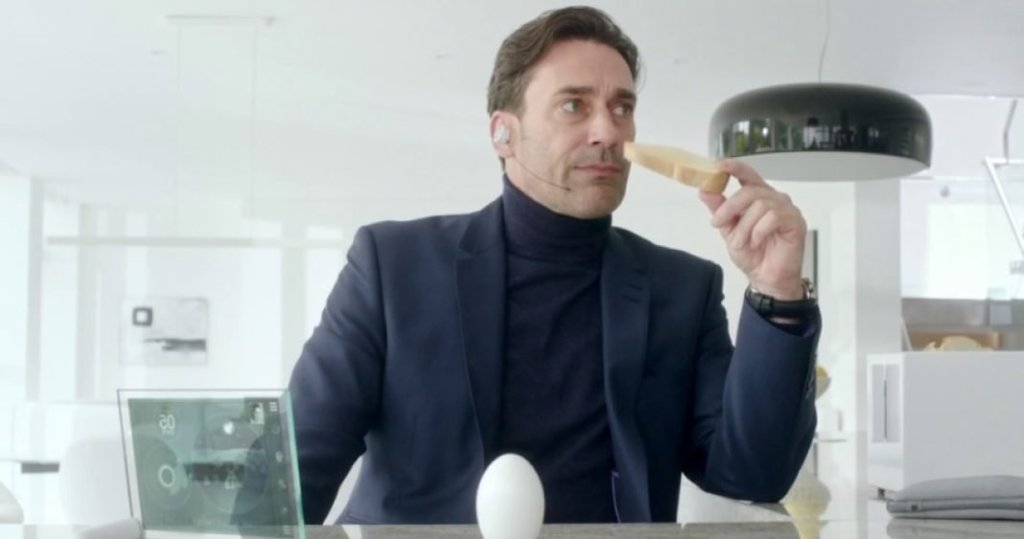
This was the transition episode that saw Black Mirror make the big money move from Channel 4 to Netflix. Although now bundled into series two, it was a 21 month wait after The Waldo Moment before over 2 million of us settled down to this Christmas gift in 2014. It comes over as an anthology within an anthology, with John Hamm and Rafe Spall telling tales in front of the fire whilst on a “job” together in the cold wilderness of an unknown location. It is laden with ideas of technology back-firing, and is very satisfying in how quickly it moves through the plot points. The chemistry of the two lead men is great; the arrogance of one and the nervousness of the other allowing for some beautiful twists and turns. Essentially, the whole thing is either a re-working of ideas already used, or a precursor to future ideas that will be more fleshed out. Not that it really matters. This is the highest rated individual episode on IMDb, and the reason for that has to be its accessibility. The balance between being creeped out and entertained is just about perfect.
Rating: 8.5
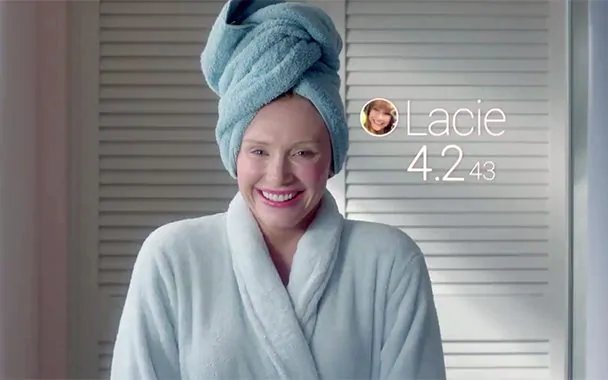
We had to wait almost another 2 years for the Netflix investment to show a product, and in time for Halloween 2016 we got the super-glossy re-boot of Nosedive, with a big name up front and lots of anticipation. The tone was instantly more playful; less British, more inclusive to a world audience. It tackled with a wry humour the universal phenomenon of popularity and everything being rated, most notably, people themselves. In a future world of sunshine and pastel shades it has become the norm to rate every interaction, from buying coffee to buying a house, in the hope of becoming one of the beautiful people rated above a 4.5. It cleverly questions the motivations for that desire, and the pitfalls of false behaviour and the manipulation from an elite standpoint. It isn’t necessary to imagine this future, as we are virtually there already, and all this episode does is heighten the idea to hyperbolic proportions. Rated down by many viewers because it is “annoying”, but that is entirely the point: the whole thing makes you want to scream!
Rating: 8.0
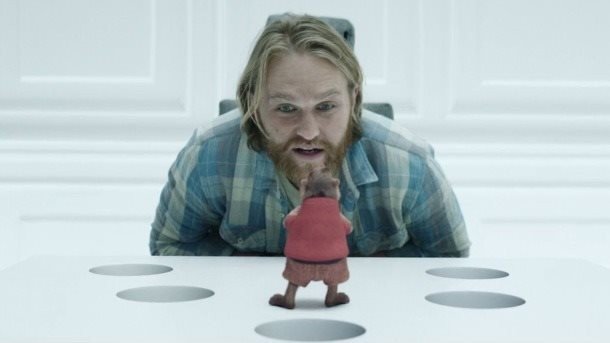
Also available for Halloween (as was the whole season, in standard Netflix style) came a chance to explore what really scares us! And… they blew it. Sure, the idea that gaming and VR becomes so photo realistic it seems entirely real isn’t far away. But, making it personal to a very annoying character dissolves all tension quite early on. Some mild jump scares aside, this has to go down as a missed opportunity. Notable only for the re-occurance of the White Bear symbol.
Rating: 6.5
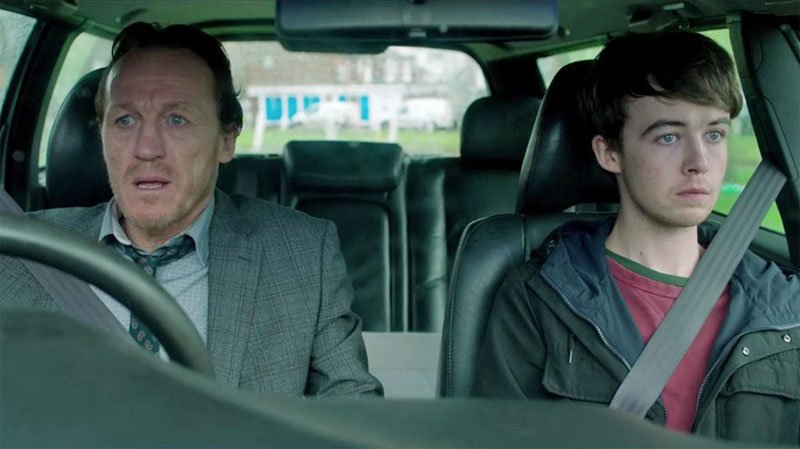
This is the one most likely to make you think, hmm, that is too far! An uncomfortable episode, not only because of the subject matter and ultimate revelation, but because of the intense nastiness that pervades it. No doubt that tension is intentional, and therefore effective to a degree, but for me it crosses the line of entertainment and becomes simply nasty. Being unafraid to tackle controversial subjects is to be applauded, but the execution has to be note perfect, or the risk is the backlash this episode received. A cautionary tale about surveillance, data theft, blackmail and our personal online responsibility. Not a bad piece, just a slight misjudgment on tone and delivery.
Rating: 7.0
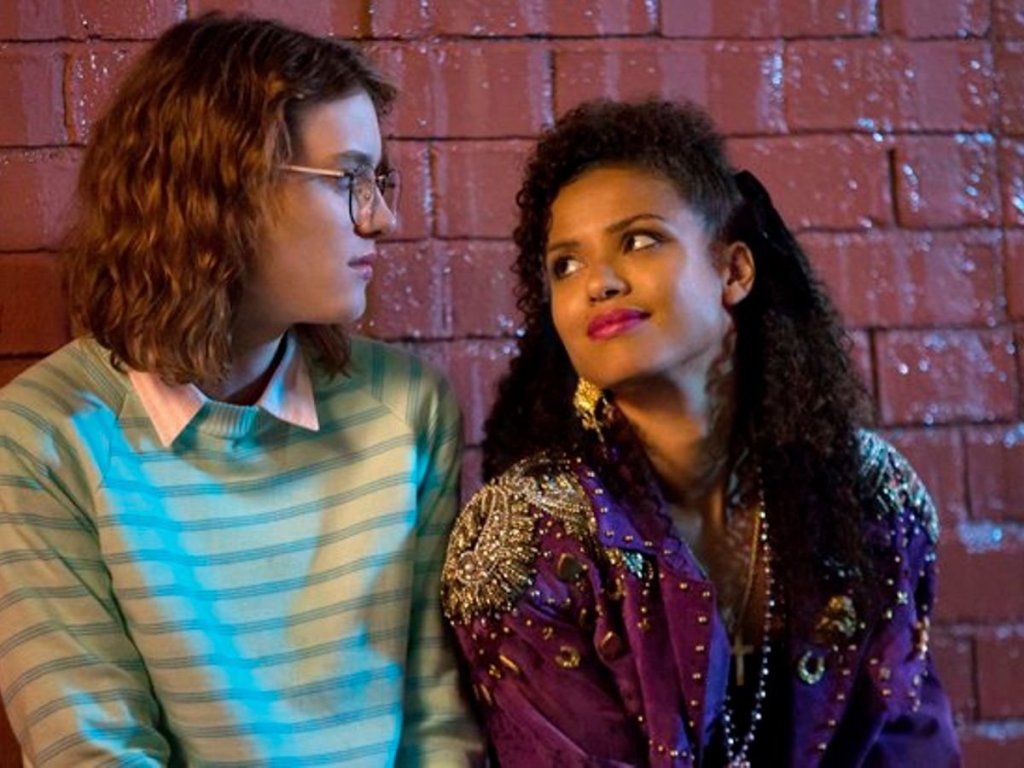
Just when critics were sharpening their pens that Netflix had ruined the potential of Black Mirror in its first phase, comes an almost perfect piece of TV that is literally heavenly! Everything about San Junipero is a work of art! Another “blind” episode that takes a while to unravel; the pacing and realisation of which is so beautifully judged that, from a writing point of view, this has to be seen as the pinnacle of the show to date. Mackenzie Davis is extraordinary as the vulnerable, shy and naive Yorkie, looking for a connection in an 80s nightclub, filled with nostalgia and cultural memes galore. The music alone is not only sing aloud perfect, but chosen for storytelling reasons so clever it raises goosebumps! The relationship between Yorkie and Kelly, an equally great Gugu Mbatha-Raw, is filled with chemistry and nuance, drawing us in to a place so deep that when the penny drops on what is really going on it draws a gasp and then possibly tears – I know it did for me! The mechanics of the technology that would make this story possible does raise a lot of questions, but in the end it is better to accept it as an allegory for love, life and our ideas of “eternity”. Don’t look too deeply at the how, but marvel at the why, and this could be the best hour of TV you will ever see! So rewatchable, rich and rewarding; the only reason not to make this a feature length big budget film is that how could it possibly be improved?
Rating: 9.5
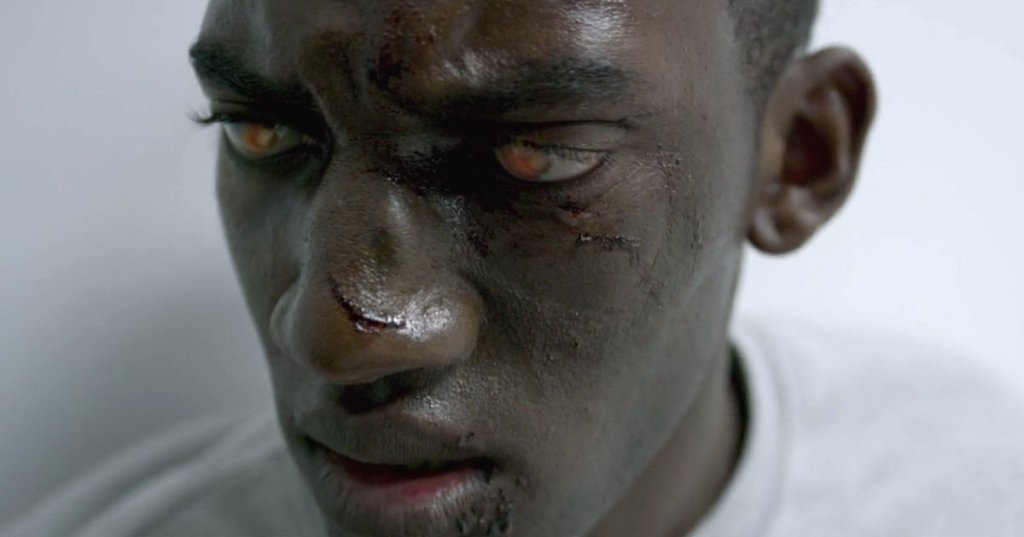
Revisiting yet again the technology of a brain implant that affects our vision of the world, literally and figuratively, this episode explores indoctrination and brainwashing, with the underlying themes of racism and basic human compassion. It is a fine analogy of how the media and governments would have us think of immigrants and the “dangers” of anything “not us”. A tad obvious, and doesn’t really go anywhere new once the twist is revealed. Visually quite stunning, but not as strong as other episodes that cover similar ground.
Rating: 7.0
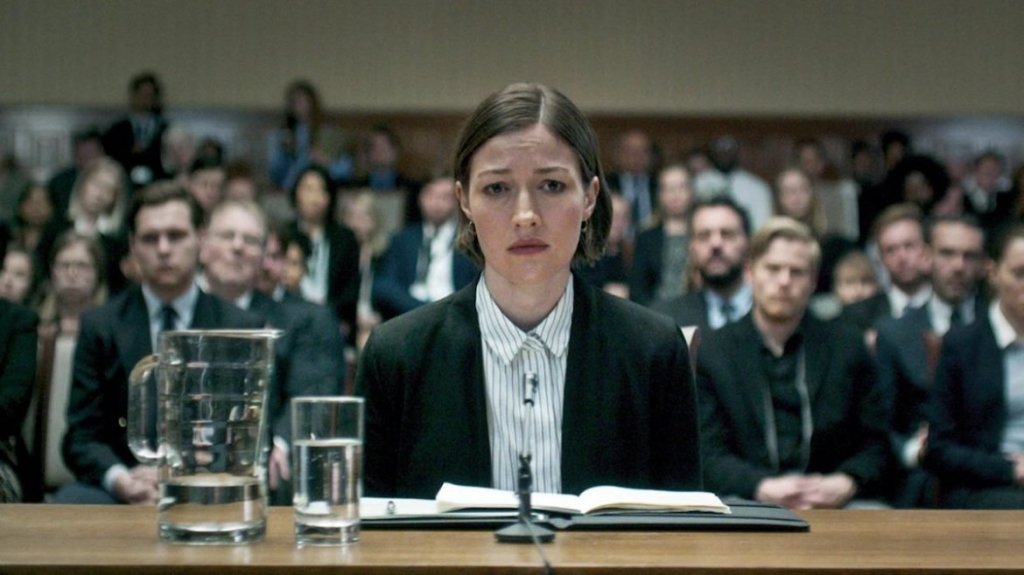
With a running time of 89 minutes, this is essentially what happens when Black Mirror pushes an idea to feature length. Allowing more time for character development does make a difference, and the tension build in this fine concept for a thriller also benefits from a few extra minutes. The ever reliable Kelly MacDonald is the cornerstone of a strong cast, on the hunt for the mind behind a series of killings by killer bee drones, targeted at a democratically elected “most hated” person every day, based on a public vote. An exploration of media vilification and how easy it can be to manipulate our idea of someone’s identity and judge their actions and even personalities based on one wrong thing they may have said or done. The episode is a who-dunnit? A why-doit? And, framed, with the backdrop of the inquest surrounding events, both a good cop movie and a courtroom drama. Charlie Brooker has hinted that some of these characters may return at some point. I’m all for it.
Rating: 8.5
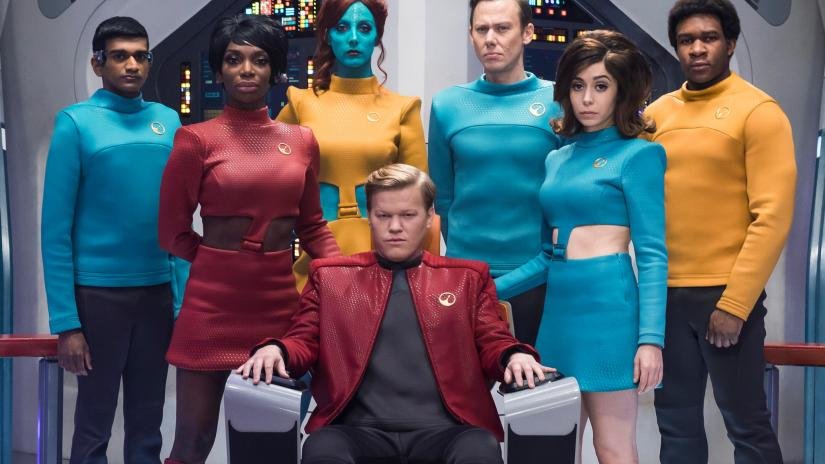
A fascinatingly geeky episode, all else aside. Not only are there references to almost every significant sci-fi meme (in the true sociological sense of the word) you can think of, but there are also many links to past and even future Black Mirror episodes. It really is a spot the clever touch piece of the ensemble. Deceptively colourful and lively, this is a dark idea – taking identity theft to the next level and using stolen DNA to replicate and then trap a person in a virtual world where you are god. Jesse Plemons takes on two personas and has never been seen to such effect as in this rare lead role for him. Nominated for 8 Emmys and winning 4, the start to season four in late 2017 was a strong one, and a real indicator that the Universe of Black Mirror is all intrinsically linked. As I say, geek heaven! Points for spotting Kirsten Dunst in an unspoken cameo…
Rating: 7.5

Notable for the first big guest director credit of one Jodie Foster. This one moves from creepy idea to hard to swallow nonsense very quickly. Returning to the idea of brain implants and using the eyes of a person as a recorder than can be manipulated, the idea of aparent using such tech to protect a child is fine on the surface. But when you go deeper, it is impossible to imagine a parent stupid enough not to see the drawbacks and dangers of it, and fantastical to imagine the child not questioning it as they get older. Apart from a memorable moment of violence that works well in the context of the story, this episode largely doesn’t really work.
Rating: 6.0
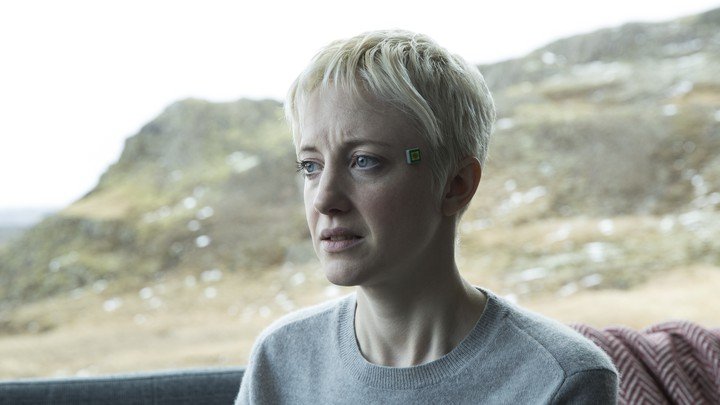
An almost unrecognisable Andrea Riseborough is the best thing about this bleak thriller type episode, often compared to Scandi-dramas like The Bridge. It starts with a haunting accidental death and cover up scenario, progressing to a breakdown manifested in two very different ways. Once again, the tech on display is a machine not unlike the Voight-Kampf of Blade Runner, which can translate memory into images. The intrigue and tension are great, and when things really kick off, we find ourselves yelling “just stop” at our screens! Trouble is, the final twist undermines it all, by crossing the line of irony and into comedy. Memorable, but not in the top ten for me.
Rating: 7.0

Now, this one I really like! The unlikely chemistry of Joe Cole and Georgina Campbell, as two guinea pigs using an intense dating app in some vague dystopia, hits the right tone from the start and keeps you gripped. The basic idea being that the app tells you how long a couple can be together, before parting, whether they want to or not. The promise of the system being that in the end there is a 99.8% chance of finding your “perfect” partner. The empathy for the leads is huge by the time it comes to the inevitable conclusion that they must rebel to escape their fate and be together. What happens next: the simplicity, yet detail of the twist is absolute genius! Leaving you with a wry smile and a very strong lasting impression. Artistically, not he strongest; in terms of pure writing, one of the very best.
Rating: 8.5
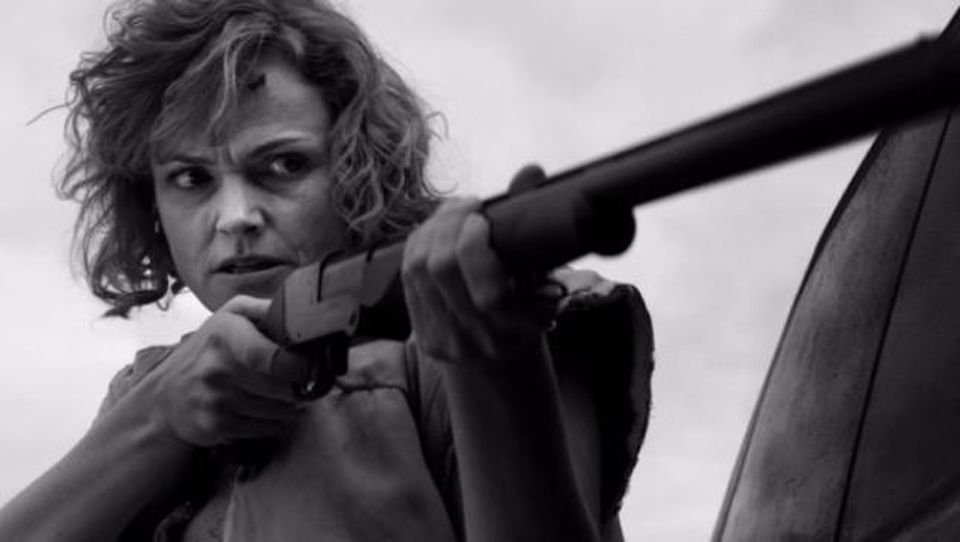
Perhaps unfairly, this episode, shot in gorgeous black and white, is the lowest rated of all Black Mirror episodes on IMDb. David Slade, the man responsible for films such as Hard Candy and 30 Days of Night directs, and it is apparent this is going to be a minimal mood piece, with standard psychological horror elements. The most obvious comparison is The Terminator, but there is more going on than that. What I like about it is the ambiguity. How we got to this place and where “home” is and who is left there, are all left to our imagination, as we watch Maxine Peake struggle to survive against a machine that will not stop. I think many reject it out of hand because it is too vague and has little in the way of a clever twist. But, as a character study it works fine. Shorter than most, at 41 minutes, perhaps even that is a push, given the simple idea, which does have short film vibes pouring out of it. I can’t say I don’t like it though…
Rating: 7.0
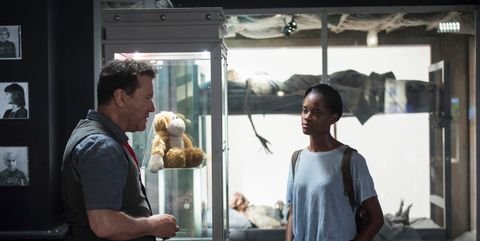
A fitting end to season four was the trick of paying homage to old anthology horror movies of the 70s, where artifacts that link to dark stories are collected in one place and re-told by a perhaps sinister narrator. There are plenty of clever nods to recognisable props and images from earlier episodes, as well as new stuff that may have future significance, that,even more than USS Callister, this episode is basically one big Easter egg. Letitia Wright, best known from her role in Black Panther, to date, shows star quality in a tricky part that basically requires her to listen and wait patiently until the satisfying pay-off. The three linking tales of a doctor who becomes addicted to pain via an empathy implant; a dead mother whose soul is trapped in a childs toy forever; and a murderer condemned to relive his execution over and over for the gratification of paying customers – are all captivating within themselves, and fit into the macabre tongue in cheek vibe well. Thankfully, the climax does make it all gel and make sense, and we leave the season on a high, reflecting our own sense of “justice”.
Rating: 8.0
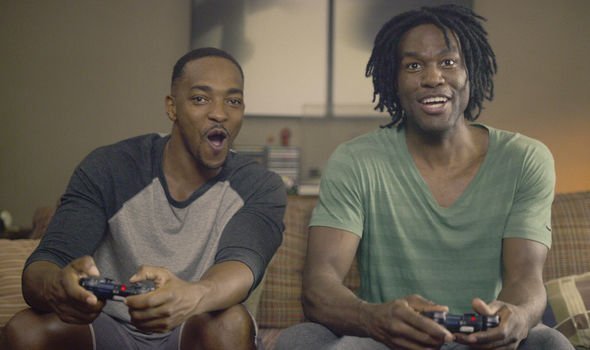
Perhaps in retrospect, season 5 should have held out for some better scripts. All 3 (and notably there are only 3, because of the effort and time put into the stand alone feature length Bandersnatch) episodes seem a little rushed and weak in terms of depth of idea; replacing it with more gloss and production value. You can see the cash on the screen in this episode about the natural progression of VR becoming all about virtual sex, regardless of your sexuality in the real world (or maybe because of it). There is some irony in considering how Black Mirror began feeling very British and here feels entirely consumed by Netflix and American values. Is that a clever statement in itself? Not sure. Either way, I am not a big fan on this one. I mean, it’s fine, but we have come to expect more.
Rating: 5.5

If there are any clever links to anything else going on here, in what I am now thinking of as the Black Mirror Universe, then I haven’t picked up on it. This one feels quite surface, and just a very sad story about a man in distress that wants technology to answer for its responsibilities. Andrew Scott is ever excellent in the lead – man, he can really act! – but the rest of the cast seem a little lifeless and under-written. Perhaps they were trying for something more sharply focused, but, for me, the moral message of don’t use your phone whilst driving, is a bit weak.
Rating: 6.0
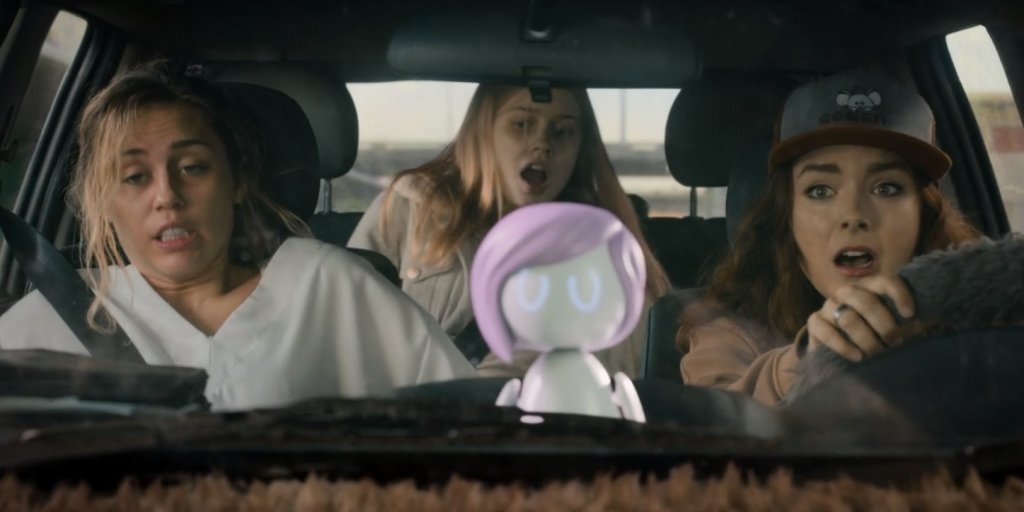
Known as the Miley Cyrus episode, because… she’s in it, and so is an electronic “toy” that replicates her personality for her teen fans. There is some intrigue around the nature of fandom and obsession; also the idea of media manipulation in projecting a saleable image that may be far from “the truth”. There is a lighter tone here, though, which betrays the Black Mirror ethos to some extent. It is an entertaining piece: the CGI on the toy Ashley is great, and there is a lovely twist 3/4 in when the true personality of it comes out to hilarious effect. But, on the whole, another under-written piece that leaves us hanging on the precipice of doubt leading into another season.
Rating: 6.5
In conclusion, even the lesser episodes of this fantastic show are still worth watching. And the very best ones are worth re-watching often. But, if the legacy of it as a whole is to continue, there must be either a return to the unashamed darkness of early episodes or some better writing. There is too much competition out there in TV land in 2020 – so much more than in 2011, when it began, that it is scary! I believe there is a lot of ground still to cover, and as new tech has real consequences all the time in the real world, there will continue to be interesting and satirical stories to tell.
At time of writing, no new season has been confirmed by Netflix; no cast has been announced either, or episode titles, or any other info at all. Besides Charlie Brooker saying there is nothing to stop them, apart from time. Now there’s a sci-fi idea right there! You can have that one Charlie.
 The Wasteland